Sobat Model
FREE FINANCIAL MODELING PROGRAM
Financial modeling,
from the ground up.
A structured, free curriculum for Indonesian learners and professionals —
from foundational Excel to industry-specific applications.
WHO IT'S FOR
Built for people learning the craft

Students
Build a strong foundation in
financial modeling.

Early-career professionals
Sharpen analytical skills and
advance your career

Career switchers
Transition into finance with
practical, in-demand skills
600+
learners
30+
universities
100+
companies
4.8/5.0
satisfaction
CURRICULUM
Structured across three levels
LEVEL 1
Foundational
Learn the essentials: Excel, financial statements,
cash flow, valuation basics, and more.
7 sessions
LEVEL 2
Core
Go deeper into core modeling topics used
in real projects and transactions.
7 sessions
LEVEL 3
Industry-Specific
Industry-focused modeling, case studies,
and specialized applications.
-
Coming soon
-
THE LEARNING EXPERIENCE
A Closer Look at Our Materials
Everything you need to learn, practice, and build your financial modeling skills.
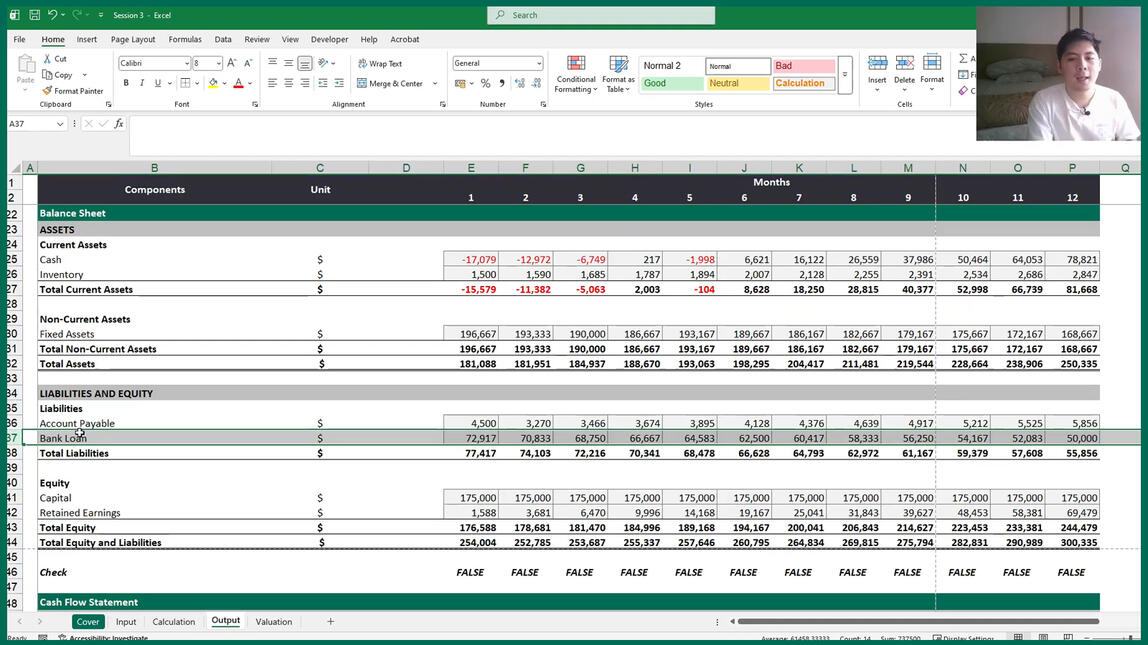
Session Recordings
Learn at your own pace.
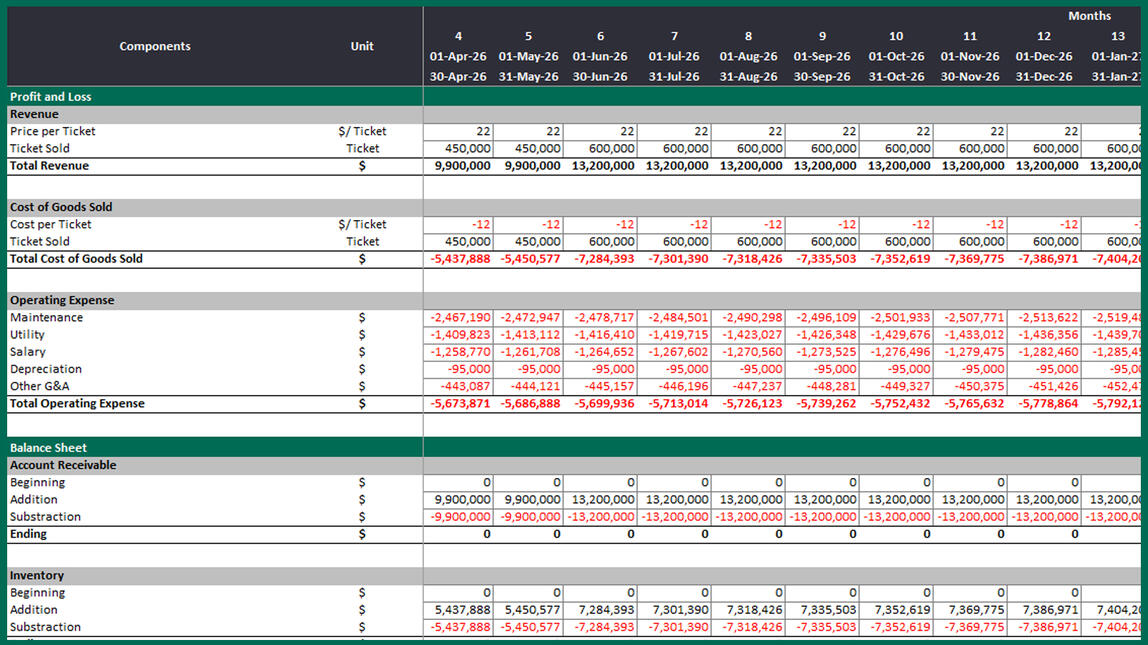
Excel Workbooks
Practice with real models.
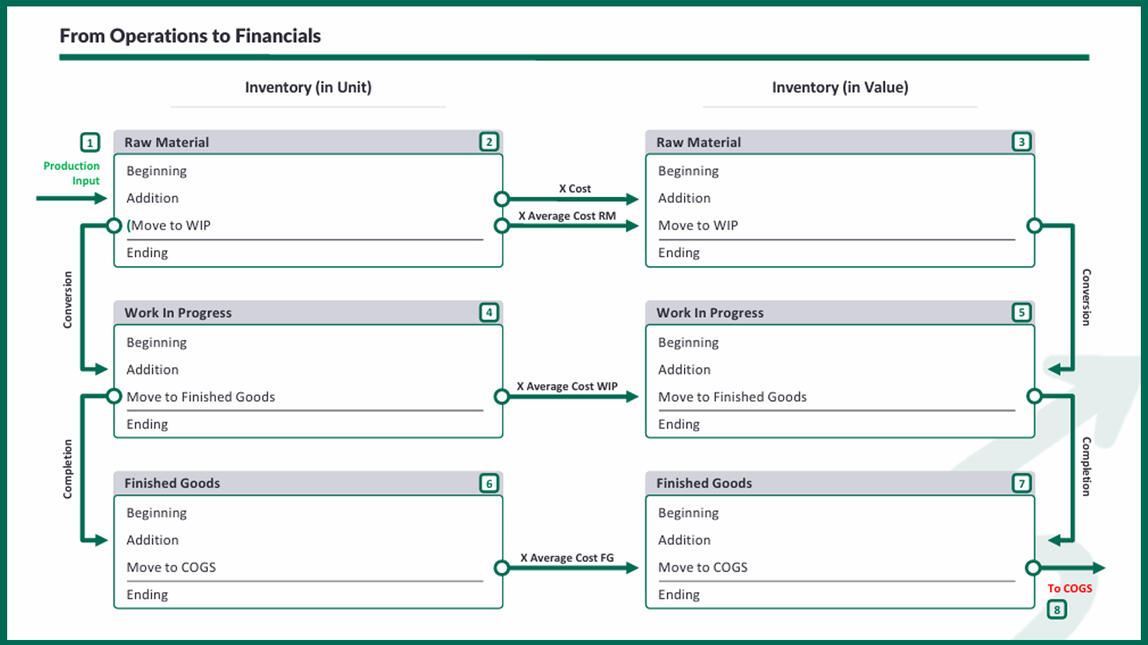
Learning Materials
Slides and supporting PDFs.
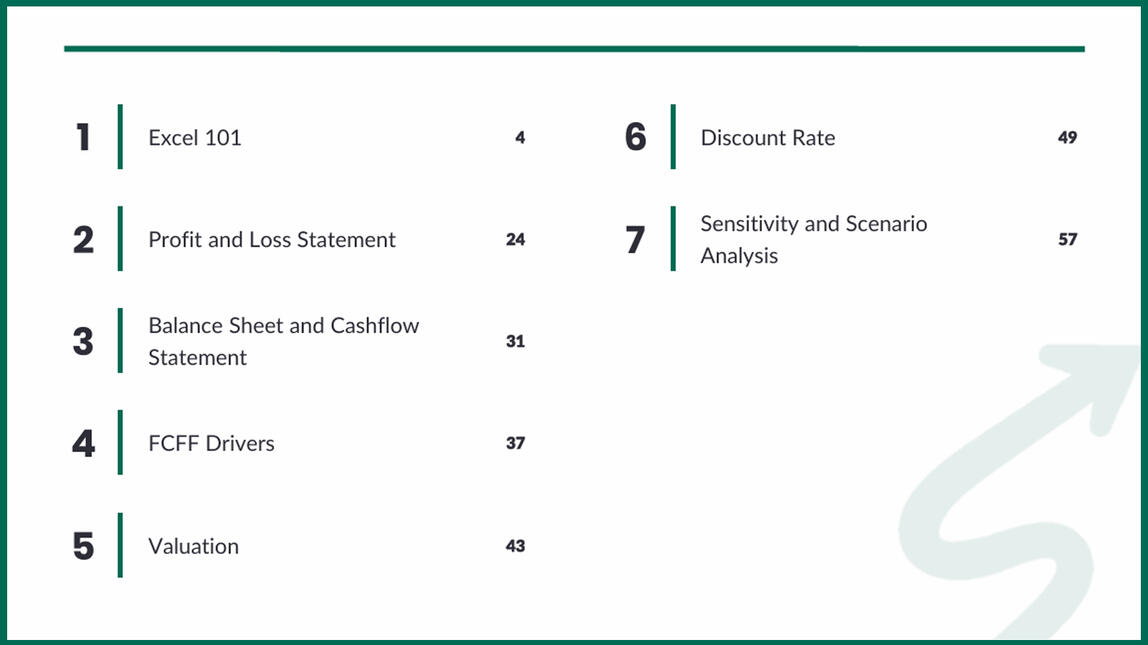
Material Recaps
Consolidated learning resources.
ABOUT
Who's behind Sobat Model
Sobat Model was founded by Christopher Samsuki, a CFA charterholder and valuation professional. It started as a free 4-session beginner course and became Sobat Model in 2025. It has since grown to 600+ learners from over 30+ universities and 100+ companies in Indonesia.This program was built to make structured financial modeling education free and accessible to Indonesian professionals.
Interested in working with Christopher?For valuation, financial modeling, speaking engagements, or collaborations,
visit Christopher's website.
WHAT THEY SAY
"Chris can deliver sophisticated finance in a
way beginners can digest."
— Ardo
University lecturer
"This class deepen my knowledge of financial modeling. Easy explanations and beginner-friendly materials."
— Steven
Early-career professional
"The program doesn't simply teach formulas.
It teaches the logic behind them."
— Alfiyanto
Career switcher
-
SUPPORTERS


AS FEATURED IN

-
FREQUENTLY ASKED QUESTIONS
Learn alongside 600+ others
Join our WhatsApp community and follow our Instagram to get announcements, resources, and connect with fellow learners.
© 2026 Sobat Model
LEVEL 1
Foundational
A structured introduction to financial modeling, covering Excel, financial statements, cash flow, and valuation fundamentals.
What You'll Learn
By the end of this level, participants should be able to:
• Navigate Excel effectively for financial modeling.
• Understand and interpret the three financial statements.
• Build fundamental financial calculations.
• Understand the foundations of business valuation.
Session Breakdown
Session 1 – Excel 101
Learn essential Excel formatting, controls, shortcuts, formulas, and cell references to work more efficiently when building financial models.
-
Session 2 – Profit and Loss Statement
Understand the fundamentals of financial modeling, its applications across industries, and how to analyze a company's financial performance through its profit and loss statement.
-
Session 3 – Balance Sheet and Cashflow Statement
Explore the structure of the balance sheet and cash flow statement, how the three financial statements connect, and how working capital affects business cash flows.
-
Session 4 – FCFF Drivers
Understand the mechanics of free cash flow to the firm and equity, including the effects of depreciation, tax shields, and debt-related cash flows.
-
Session 5 – Valuation
Learn the fundamentals of discounted cash flow valuation, including the time value of money, terminal value, and the distinction between enterprise value and equity value.
-
Session 6 – Discount Rate
Explore the cost of debt, cost of equity, capital structure, and weighted average cost of capital (WACC) to understand how future cash flows are discounted.
-
Session 7 – Sensitivity and Scenario Analysis
Learn to evaluate how changing assumptions affects financial model outputs using sensitivity tables, scenario analysis, and Excel automation tools.
LEVEL 2
Core
A deeper dive into financial modeling, covering operational schedules, project financing, debt structures, leasing, cash management, and tax calculations.
What You'll Learn
By the end of this level, participants should be able to:
• Build inventory and COGS schedules using different costing methods and modeling approaches.
• Use flags to manage timing, conditions, and complex modeling schedules.
• Model construction costs, project financing, debt structures, and leasing arrangements.
• Apply cash waterfall mechanics to manage debt drawdowns, repayments, and payment priorities.
• Model tax loss carryforwards, taxable income, and tax payments.
Session Breakdown
Session 1 – Inventory
Learn how inventory flows through production and COGS, explore FIFO, LIFO, and weighted average costing, and build bottom-up, top-down, and hybrid inventory models.
-
Session 2 – Flags
Understand how simple, multiple, and compounding flags translate timing rules and conditions into structured model schedules.
-
Session 3 – Construction
Model the construction lifecycle through capital expenditure, project financing, interest during construction, and the transition into operations.
-
Session 4 – Debts
Explore debt drawdowns, repayment structures, interest calculations, commitment fees, loan timelines, and financial covenants.
-
Session 5 – Leasing
Compare leasing with purchasing assets and understand how operating and financial leases affect financial statements, cash flows, and lease schedules.
-
Session 6 – Cash Waterfall
Learn how to structure cash waterfall mechanisms to manage revolver drawdowns and repayments, prioritize obligations, and determine dividend distributions.
-
Session 7 – Tax Loss Carry Forward
Understand tax loss carryforwards, their application against future taxable income, tax calculations, and expiry mechanics.
Session 2 - Profit and Loss Statement
Session 2 - Profit and Loss Statement